Songs in the Key of Life: one multi-instrumentalist and a long list of guests
Stevie Wonder produced and arranged Songs in the Key of Life and plays keyboards, drums, harmonica and more on it, but the credits also name a rhythm section, four horn players and guests such as Herbie Hancock and George Benson.
By SongTrace · Published 20 November 2026 · 4 min read
The record
Songs in the Key of Life is Stevie Wonder’s eighteenth studio album, released on 28 September 1976 by Tamla, a division of Motown. It came out as a double LP with a bonus four-song EP, “A Something’s Extra”. Wikipedia lists Wonder as producer, and MusicBrainz credits him as producer and arranger on the recordings it documents.
Wikipedia says it was recorded mainly at Crystal Sound in Hollywood, with some sessions at the Record Plant in Hollywood and Sausalito, and mixed at Crystal Sound. It also says the team spent about six weeks at the Hit Factory in New York but used only one basic track from there. Wikipedia adds that 130 people worked on the album; that figure comes from Wikipedia alone.
Who played what
Wikipedia’s personnel list is adapted from the liner notes. Each credit carries a code such as A5 or B1, which is the side and position on the original LP. The main names are:
- Stevie Wonder: lead vocals on all songs except the instrumental “Contusion”, plus harmonica, keyboards, synth bass, drums, percussion, arrangement and production.
- Nathan Watts and Raymond Pounds: Watts on bass guitar and Pounds on drums on a run of tracks from “Contusion” to “I Wish”.
- Michael Sembello and Ben Bridges: Sembello on lead guitar and Bridges on rhythm guitar on several songs. Sembello also co-wrote “Saturn” with Wonder.
- Greg Phillinganes: keyboards on “Contusion”, “Isn’t She Lovely”, “Joy Inside My Tears” and “Saturn”.
- Horns: Trevor Lawrence and Hank Redd on saxophones, Steve Madaio and Raymond Maldonado on trumpets, on “Sir Duke” and “I Wish” among others.
What changes from track to track
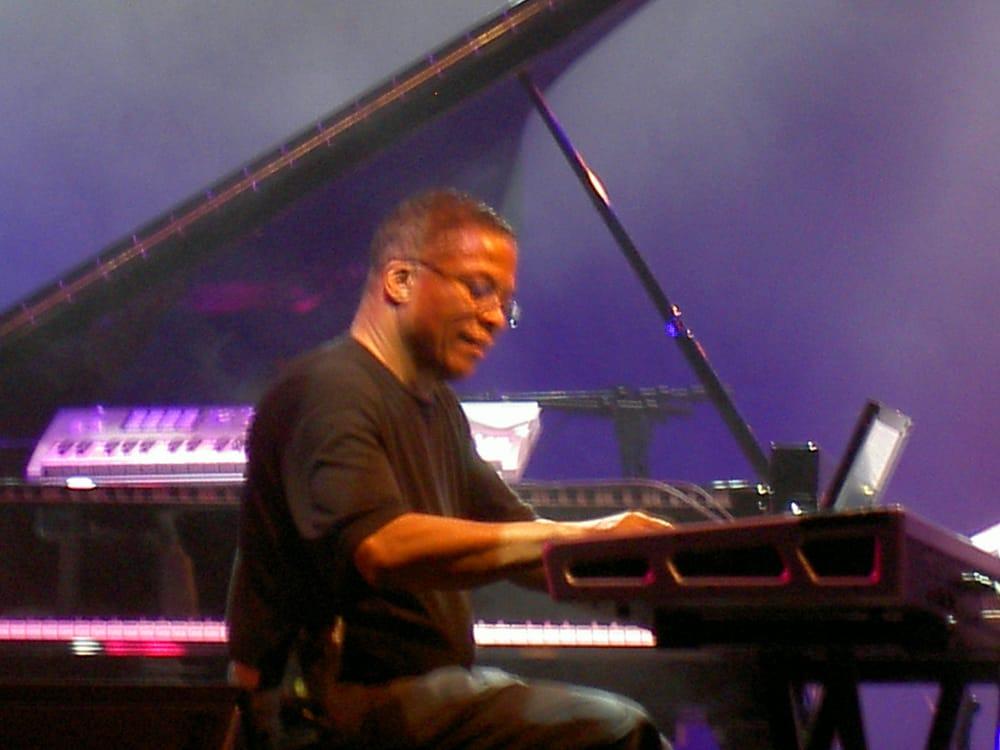
The guests are credited song by song. On “As”, Herbie Hancock is listed on keyboards, and Wikipedia’s text says Fender Rhodes; Dean Parks is the guitarist and Greg Brown the drummer. On “Another Star”, George Benson plays guitar, Bobbi Humphrey flute and Nathan Alford, Jr. percussion. Minnie Riperton and Deniece Williams are among the backing vocalists on “Ordinary Pain”. Wikipedia also lists Dorothy Ashby on harp on “If It’s Magic”.
Some songs are close to a one-man record. MusicBrainz credits Wonder on drums, Rhodes piano and bass synthesiser on “Ordinary Pain”, and on harmonica, drums, Rhodes, electric piano, bass synthesiser and lead vocal on “Isn’t She Lovely”, where ten people are also credited with handclaps. The co-writers vary too: Gary Byrd on “Village Ghetto Land” and “Black Man”, and Wonder’s brother Calvin Hardaway on “Have a Talk with God”.
What this teaches about reading credits
- One name can fill many lines. Wonder appears on vocals, keyboards, drums, percussion and arrangement, so a single artist credit hides how many parts he played.
- Track codes matter. A credit “(D3)” points to one song, not the whole album, so a guest on one track is not on the rest.
- Sources disagree on small details. Wikipedia names the percussionist on “Summer Soft” as Nastee Latimer and MusicBrainz as Larry Latimer. MusicBrainz also lists Michael Wycoff among the backing vocalists on “Pastime Paradise”, who is not in Wikipedia’s list.
- Editions differ. The bonus EP’s four songs were later added to CD and streaming versions, and early CD reissues split them across two discs, so an edition can change where a credit appears.
Look it up
Search a song from the album, such as Sir Duke, and compare the credits with the list above. For another Motown record, read What’s Going On: who played on Marvin Gaye’s 1971 album and Producer, engineer, arranger: what the credits mean.
Sources
The facts in this story were checked against the pages below (the Wikipedia pages are in English). Credits can differ between sources, so for anything important compare with the original release.
Share this story
Keep reading
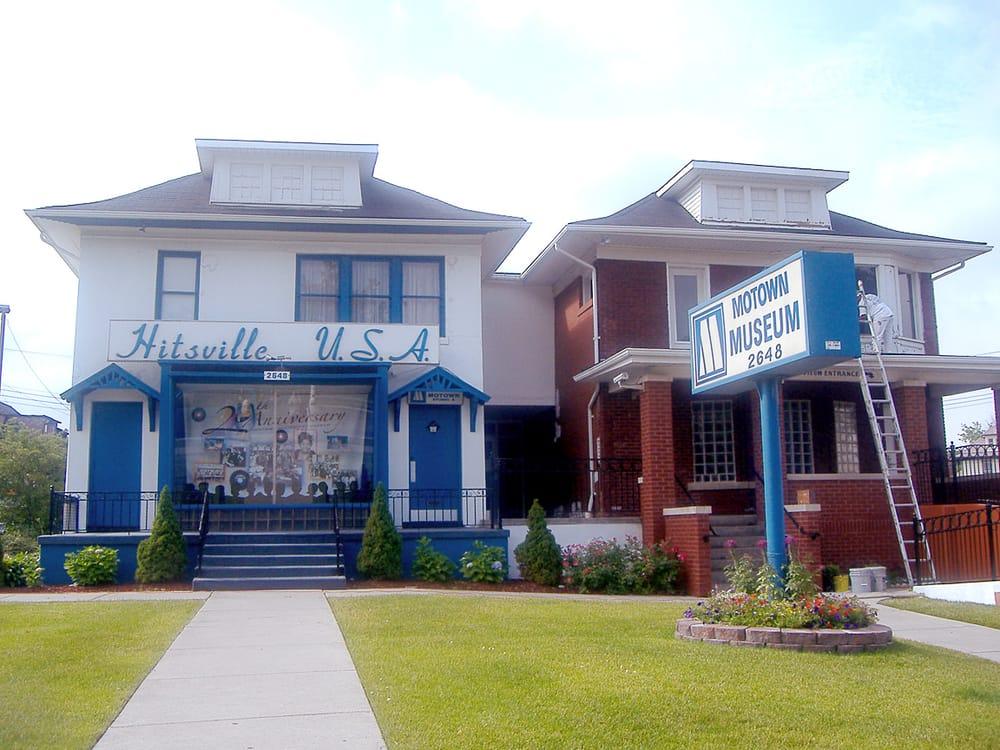 Photo: Blob4000 at English Wikipedia · Public domainWhat’s Going On: Marvin Gaye, the Funk Brothers and a track-by-track credit list4 min read
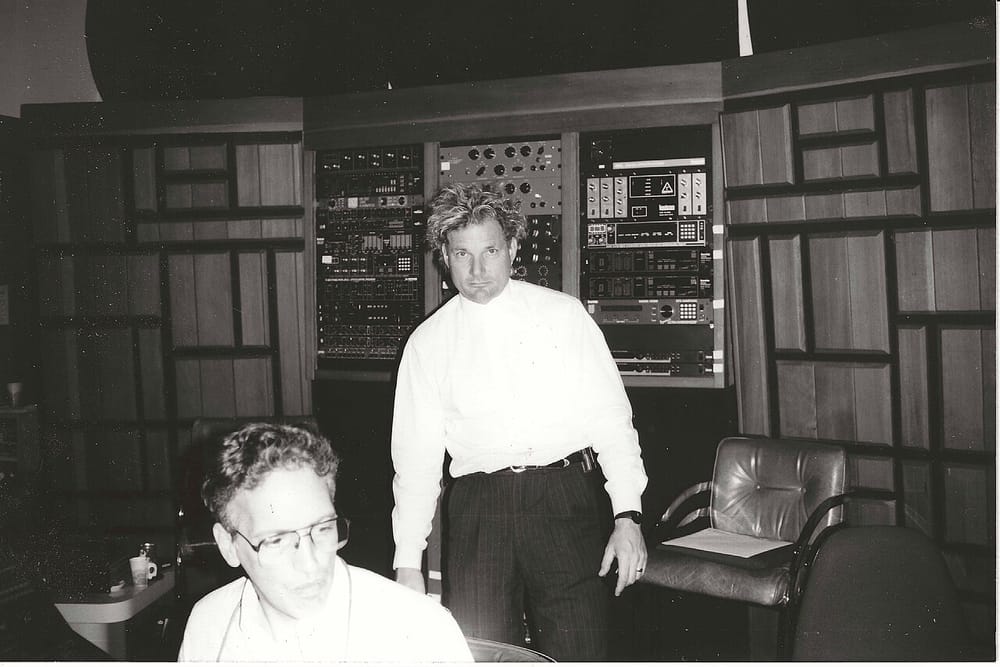 Photo: Ksks2424 · CC BY-SA 4.0Producer, engineer, arranger: what the credits really mean5 min read
 Photo: Raph_PH · CC BY 2.0Aja: the album where the band was a revolving cast5 min read