Bitches Brew: thirteen musicians, three days and a lot of tape
Miles Davis’s 1970 record has a big lineup that changes from piece to piece, one musician credited under another name, and a producer who edited it into shape.
By SongTrace · Published 10 November 2026 · 5 min read
The record
Bitches Brew was recorded from 19 to 21 August 1969 at Columbia’s Studio B in New York and released by Columbia Records on 30 March 1970. It followed In a Silent Way (1969) and went further into electric instruments, with electric piano and electric guitar and rock-influenced rhythms built on improvisation.
Davis’s regular band at the time was Wayne Shorter on soprano saxophone, Dave Holland on bass, Chick Corea on electric piano and Jack DeJohnette on drums. For these sessions he added more players, and he arrived with “musical sketches” rather than finished arrangements: he told the group they could play anything as long as they used his chosen chords.
The musicians
The personnel list on Wikipedia, per piece, names these players:
- Miles Davis: trumpet (he does not play on the short piece “John McLaughlin”).
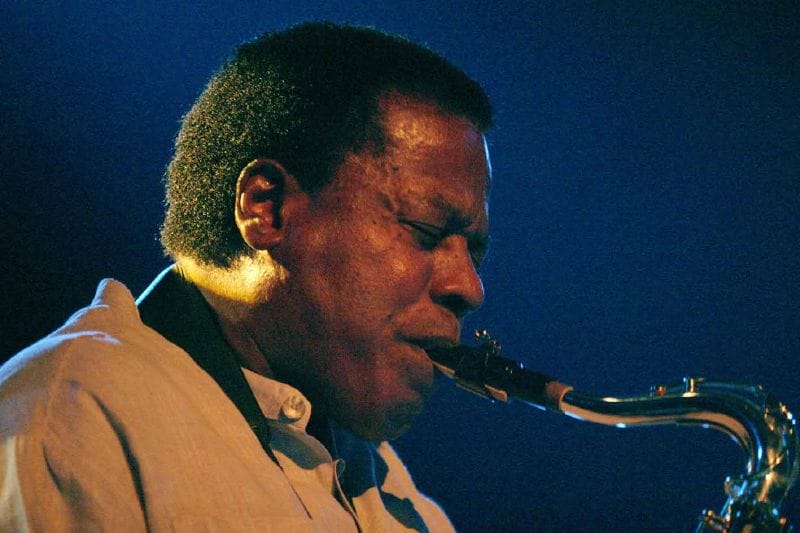
- Wayne Shorter: soprano saxophone. Bennie Maupin: bass clarinet.
- Joe Zawinul and Chick Corea: electric pianos, joined on some pieces by Larry Young as a third electric pianist.
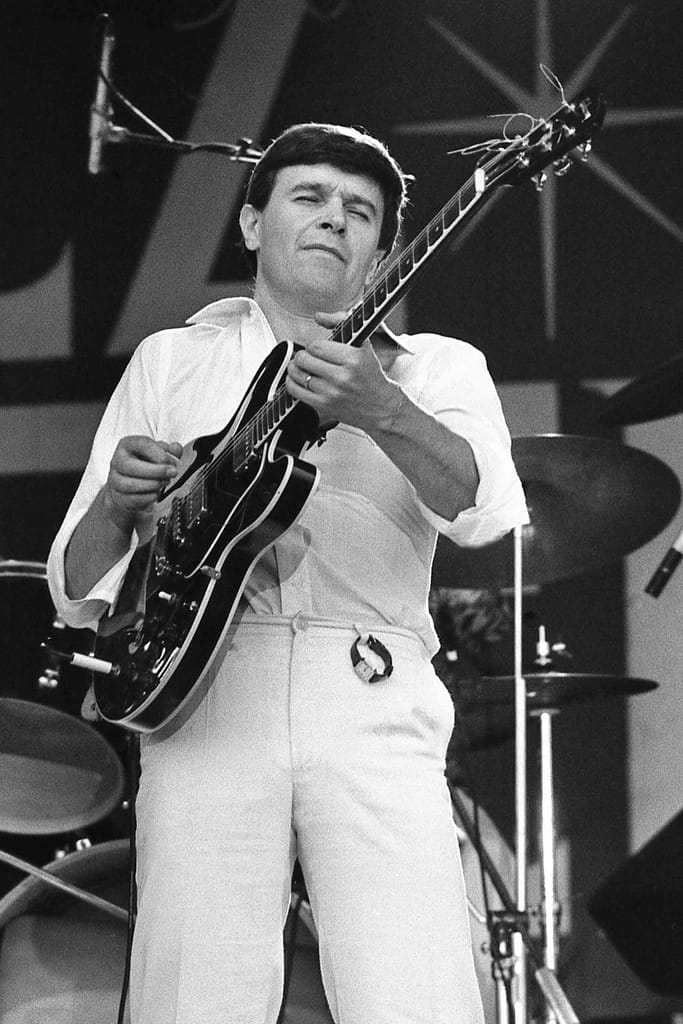
- John McLaughlin: electric guitar.
- Dave Holland and Harvey Brooks: bass and electric bass.
- Lenny White, Jack DeJohnette and Don Alias: drums, with two drum sets placed left and right on the pieces recorded on 19 and 20 August. Alias also plays congas on some pieces.
- Juma Santos: percussion (shaker and congas).
Credits that need a footnote
- Not everyone plays on every piece: the personnel is listed piece by piece, and some players sit out some titles.
- Juma Santos is credited on the album as “Jim Riley”. If you search for a name and find nothing, the person may be credited under another one.
- Davis’s band was set up in a half-circle, with headphones. Drummer Lenny White later recalled the sessions as live recording without overdubs.
The producer who cut the tape
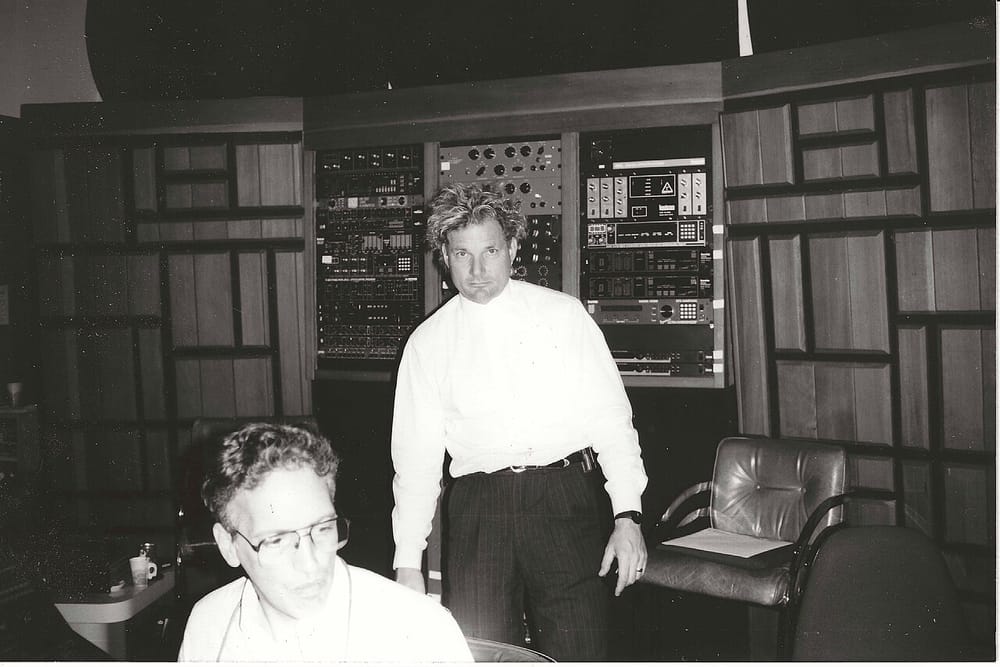
Bitches Brew shows that “who played” and “who made the record” are different questions. The final tracks were edited and pieced together by the producer Teo Macero, using tape loops, delays, reverb and extensive editing. According to the account on Wikipedia, “Pharaoh’s Dance” contains 19 edits, and its famous stop-start opening is built entirely in the studio.
In other words, what you hear is not simply a recording of a session. The musicians supplied the material and the producer shaped the structure, which is why a producer credit on a record like this one matters as much as a musician credit.
Look it up
Search a title such as Pharaoh’s Dance by Miles Davis and compare the lineup with the list above. For another Miles Davis lineup that changes track by track, read the musicians of Kind of Blue.
Sources
The facts in this story were checked against the pages below (the Wikipedia pages are in English). Credits can differ between sources, so for anything important compare with the original release.