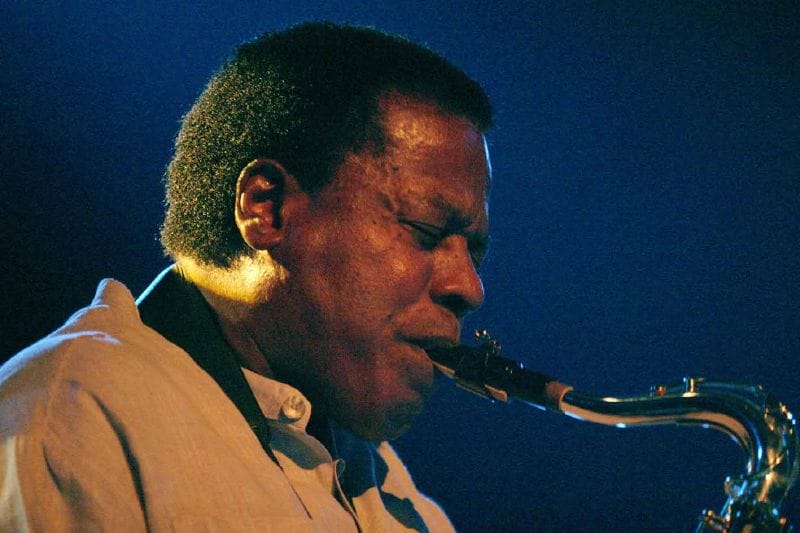
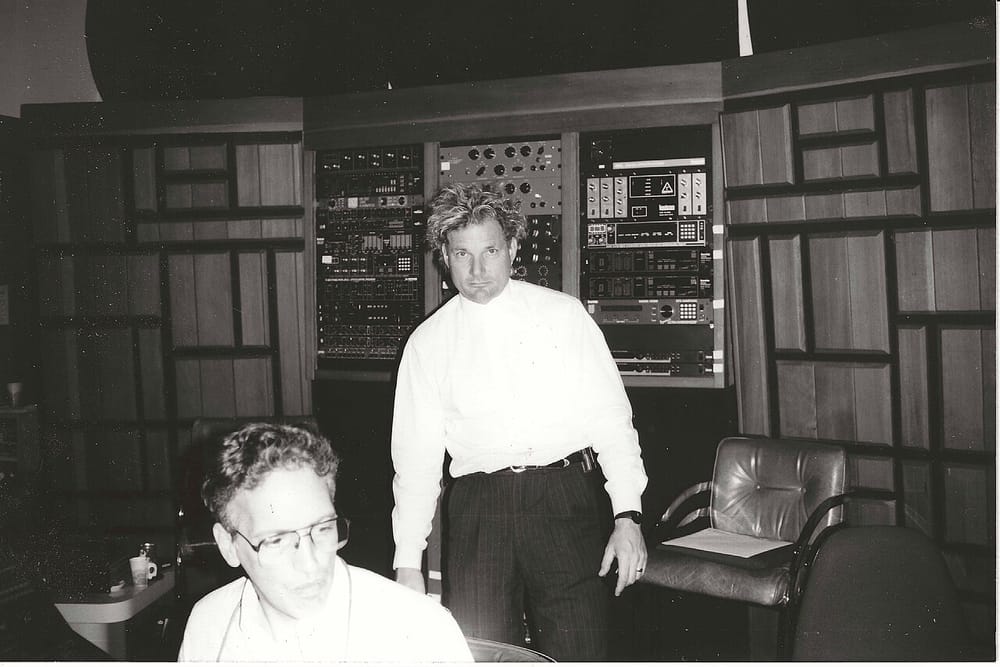
Kind of Blue: the musicians behind jazz’s most famous record
Six players, two sessions and one track where the pianist was someone else. A close look at the credits of a record everyone knows.
By SongTrace · Published 8 November 2026 · 4 min read
The record
Kind of Blue was released by Columbia Records on 17 August 1959. It was recorded at Columbia’s 30th Street Studio in New York in two sessions, on 2 March and 22 April 1959, on three-track tape. The first session produced the three tracks of side one, “So What”, “Freddie Freeloader” and “Blue in Green”; the second gave “All Blues” and “Flamenco Sketches”.
Many critics regard it as the greatest jazz album ever recorded, and one of the most influential albums of any kind. What is less often discussed is who is actually on it, and that the answer changes from track to track.
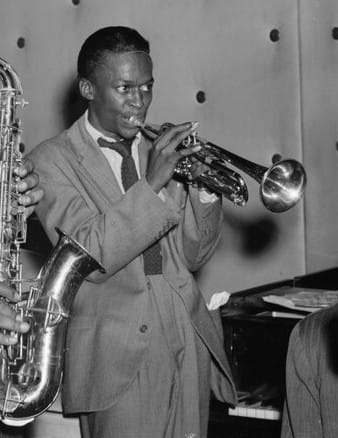
The six musicians
- Miles Davis: trumpet, and the leader of the sextet.
- John Coltrane: tenor saxophone.
- Julian “Cannonball” Adderley: alto saxophone, on every track except “Blue in Green”.
- Bill Evans: piano, on every track except “Freddie Freeloader”.
- Wynton Kelly: piano on “Freddie Freeloader”, the album’s most blues-oriented number.
- Paul Chambers: double bass.
- Jimmy Cobb: drums.
That is seven names for a “sextet”, and it is the point: two pianists share the record. Evans had been in Davis’s band in 1958 and was called back for these sessions; Kelly was by then the group’s regular pianist, and Davis gave him the blues track. Anyone who credits “the pianist” of Kind of Blue with one name gets one track wrong.
How little was written down
Davis called for almost no rehearsal. The musicians arrived knowing very little of what they would record: he gave them sketches of scales and melody lines to improvise on, and a few short instructions for each piece before the tape started rolling. Building the album on modes rather than chord changes gave each player room to shape their own solos, which is part of why the record sounds the way it does.
A popular legend says the whole album was recorded in a single pass. That is not true: only “Flamenco Sketches” yielded a complete take on the first try, and that take was not even the one chosen for release. It was added to the 1997 CD reissue as a bonus track.
A credits lesson: producers and mix-ups
The record was produced by Columbia staff producer Irving Townsend. Davis’s later producer, Teo Macero, has often been named as its producer too, partly or fully, and that attribution is incorrect: his role at the sessions was that of an apprentice and observer. It is a good example of how a mistake can get copied from source to source until it looks like fact.
What this teaches about reading credits
- Credits belong to tracks, not only to albums. The lineup of an album is a summary; the exception, like Kelly on one track, lives in the track-level data.
- An album’s “sextet” can have more names than members when someone sits in on one piece.
- Reissues and compilations can list the original lineup without the track-by-track detail, so check which edition you are looking at.
- When two sources disagree, the liner notes and a careful reference work usually settle it.
You can try this yourself: search Freddie Freeloader by Miles Davis and compare the result with So What, then follow the source links to see where each name comes from. For the wider picture of how credits are labelled, read our guide to music credits.
Sources
The facts in this story were checked against the pages below (the Wikipedia pages are in English). Credits can differ between sources, so for anything important compare with the original release.