Dusty in Memphis: a house band, three producers and one disputed harmonica
The album is credited to one singer, but the sound came from a Memphis studio band, a New York orchestra and three producers. The credit lists agree on most of it, and differ on one name.
By SongTrace · Published 13 November 2026 · 4 min read
The record
Dusty in Memphis is the fifth studio album by the English singer Dusty Springfield. Wikipedia and MusicBrainz both give 31 March 1969 as the release date in the United States, on Atlantic Records; Philips Records issued it internationally. Springfield had signed with Atlantic on the condition that she work with its chief producer Jerry Wexler.
Wikipedia says the initial sessions were recorded at American Sound Studio in Memphis, while her final vocals and the orchestral parts were recorded at Atlantic’s studios in New York. The album sold poorly at first, reaching number 99 on the American album chart, and its reputation grew later.
Who played what
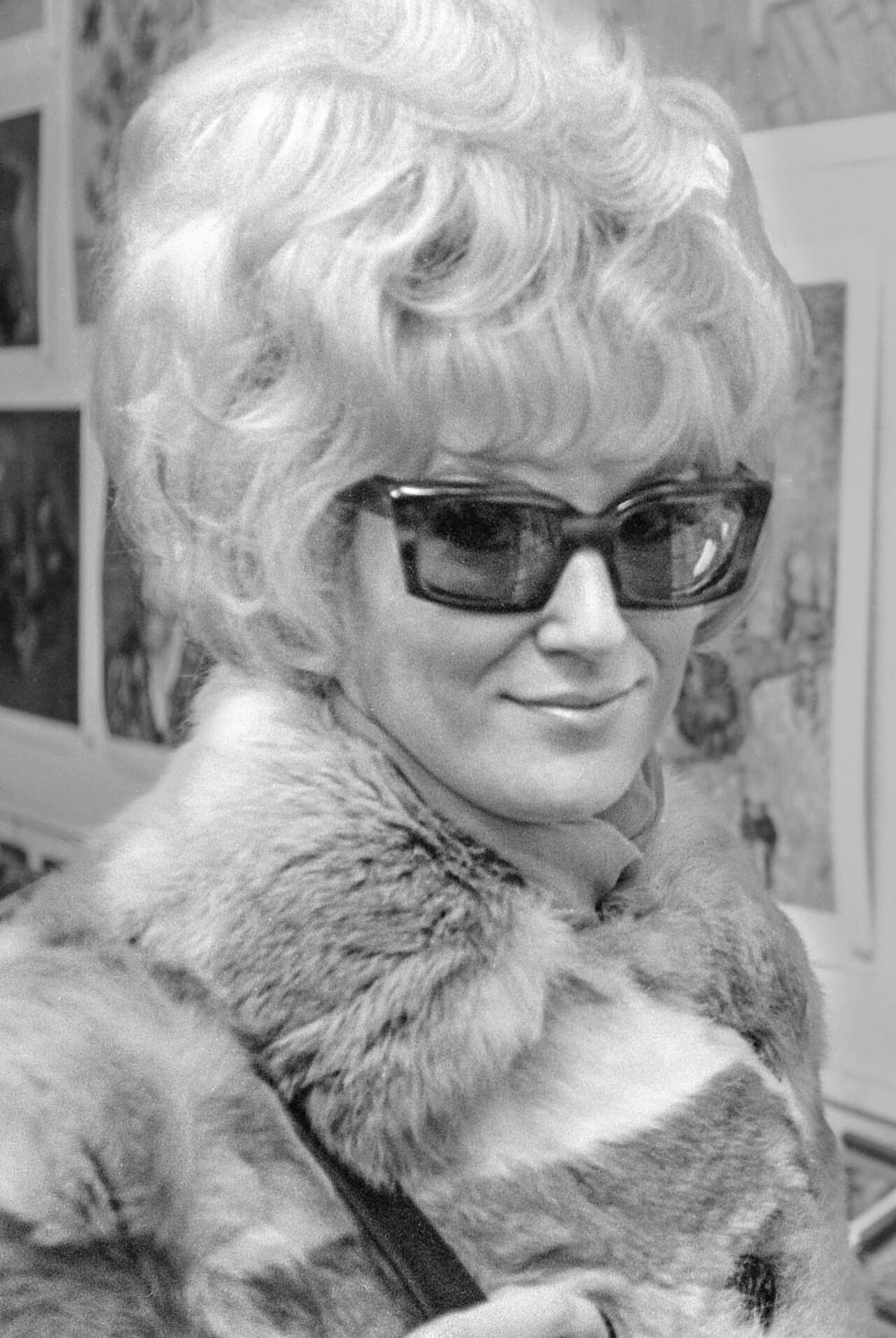
The Memphis sessions were supervised by Wexler, Arif Mardin and the engineer Tom Dowd. The rhythm section came from the American Sound Studio house players, an informal group Wikipedia calls the Memphis Boys. The Wikipedia personnel list for the original LP, checked against MusicBrainz, reads:
- Dusty Springfield: vocals.
- Reggie Young: guitar and electric sitar.
- Tommy Cogbill: bass, and guitar on “Don’t Forget About Me”.
- Gene Chrisman: drums.
- Bobby Emmons: organ and electric piano, plus congas on “The Windmills of Your Mind”.
- Bobby Wood: acoustic piano. MusicBrainz lists it on “The Windmills of Your Mind”.
- Mike Leech: congas on “Don’t Forget About Me” and “In the Land of Make Believe”.
- The Sweet Inspirations: backing vocals.
- Gene Orloff: conductor, for the orchestral parts added in New York.
- Wexler, Mardin and Dowd: producers. Mardin and Dowd are also credited with arranging.
Where the sources disagree
Ed Kollis appears in the Wikipedia personnel list as playing harmonica. The article’s own text says he and Terry Manning assisted Dowd, and MusicBrainz credits Kollis as engineer on every track, with no harmonica credit. We could not settle this from these sources, so we do not claim a harmonica part.
Terry Manning’s assistant-engineer credit comes from Wikipedia alone; MusicBrainz does not list him. Wikipedia also gives Wood simply as acoustic piano, while MusicBrainz ties him to one track. Treat track-level detail beyond the lineup above as unconfirmed.
What this teaches about reading credits
- A producer credit can be shared. Three people are credited here, and each also appears with other roles such as arranger or engineer.
- Names like the Memphis Boys describe a house band, not a fixed line-up; the individual players are the credits to look for.
- A record can have two recording places. Rhythm tracks came from Memphis; vocals and orchestra were added in New York.
- When a single role, such as harmonica, appears in only one list, ask whether the other lists leave it out or describe the person differently.
Look it up
Search a track from the album, such as Son of a Preacher Man, and compare the credits with the list above. For related reading, see Pet Sounds: who really played on the Beach Boys’ album and Producer, engineer, arranger: what the credits mean.
Sources
The facts in this story were checked against the pages below (the Wikipedia pages are in English). Credits can differ between sources, so for anything important compare with the original release.
Share this story
Keep reading
 Photo: Howard Thompson · CC BY-SA 2.0Pet Sounds: the Beach Boys’ album, played by the Wrecking Crew5 min read
 Photo: VACANT FEVER · CC BY-SA 2.0Session musicians: the invisible bands behind the hits5 min read
 Photo: Ksks2424 · CC BY-SA 4.0Producer, engineer, arranger: what the credits really mean5 min read