Session musicians: the invisible bands behind the hits
For decades the people playing on the radio’s biggest records were not the names on the label. Three groups, and why their credits went missing.
By SongTrace · Published 8 November 2026 · 5 min read
What a session musician is
A session musician is a professional hired to play on someone else’s recording. They are paid for the session, they are not members of the band on the record, and for a long time they were often left off the sleeve altogether. A producer wanted a part played exactly right in a few takes, and the players who could do that worked in the same studios day after day. Some became so central to a city’s sound that they functioned as an unofficial house band, even though the cover never said so.
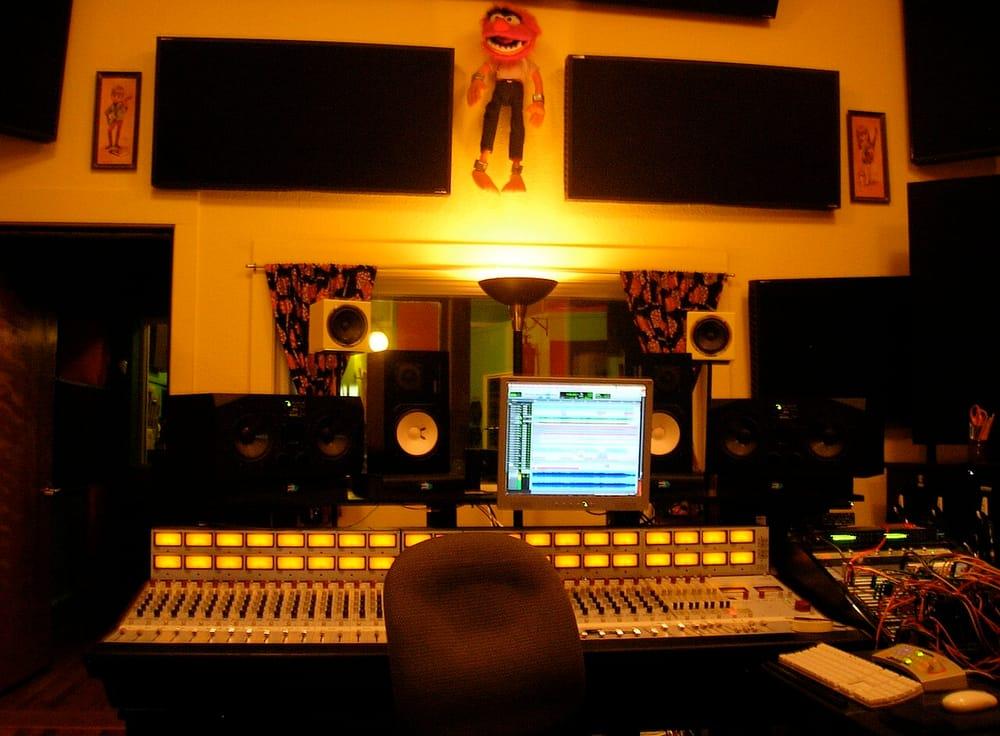
The Wrecking Crew (Los Angeles)
The Wrecking Crew was a loose collective of Los Angeles session musicians who played on a huge number of studio recordings in the 1960s and 1970s, including hundreds of top 40 hits, and who were rarely credited at the time. The group had no official name while it was active. Drummer Hal Blaine later said the nickname came from older musicians who felt rock and roll would “wreck” the music business, though bassist Carol Kaye disputes his account.
They first came together around 1962 as the de facto house band for Phil Spector’s Wall of Sound productions, and went on to play behind artists such as Jan and Dean, Sonny & Cher, the Mamas and the Papas, the Carpenters, Frank Sinatra and Nancy Sinatra. They were sometimes “ghost players” on records credited to rock groups, for example the Byrds’ version of “Mr. Tambourine Man” (1965), the first two Monkees albums and the Beach Boys’ Pet Sounds (1966).
Names usually associated with the group include drummers Hal Blaine and Earl Palmer, saxophonist Steve Douglas, guitarist Tommy Tedesco, keyboardist Larry Knechtel (later of Bread), bassist Carol Kaye, and Leon Russell and Glen Campbell, who both became popular solo artists. Their work stayed largely unnoticed until Blaine’s memoir was published in 1990.
The Funk Brothers (Detroit)
The Funk Brothers were the Detroit session musicians who played the backing on most Motown recordings from 1959 until the label moved to Los Angeles in 1972. Some combination of them played on each of Motown’s hundred-plus number-one R&B singles and fifty-plus number-one pop singles released between 1961 and 1972. Their hits include “My Girl”, “I Heard It Through the Grapevine”, “Baby Love” and “Heat Wave”.
There is no undisputed list of members: the term is sometimes used for nearly everyone who played on a Motown record, and more strictly for the core group of regulars. The 2002 documentary Standing in the Shadows of Motown identified thirteen. Bassist James Jamerson, regarded as one of the most influential bass players in popular music, was the bassist on most of the label’s hits in the 1960s and early 1970s, yet Motown did not credit its session musicians on releases until 1971.
The Swampers (Muscle Shoals, Alabama)
In the northern Alabama town of Muscle Shoals, session players associated with Rick Hall’s FAME Studios created what became known as the “Muscle Shoals sound”, a Southern blend of R&B, soul and country. Two groups used the name Muscle Shoals Rhythm Section between 1962 and 1969. The second, Barry Beckett, Roger Hawkins, David Hood and Jimmy Johnson, became widely known as “the Swampers”.
The Swampers recorded, produced or engineered hits by Aretha Franklin, Wilson Pickett, Percy Sledge, the Rolling Stones, Bob Dylan, Paul Simon and many others. Lynyrd Skynyrd name-checked them in “Sweet Home Alabama” (1974). The artists they backed, many of them Black, were often surprised to learn that the musicians were white. They were the subject of the 2013 documentary Muscle Shoals.
Why credits went missing
The reasons varied from label to label, but a few come up again and again:
- Labels sold the act, not the band behind it, so session players went uncredited.
- Session players were paid for the session; a credit on the sleeve was not part of the job.
- Producers sometimes preferred listeners to believe the group on the cover played everything.
- Documentation of who played at which session was often incomplete, so lineups have sometimes been pieced together decades later from session logs, memories and liner notes.
This is why credit databases still have gaps for the 1960s and 1970s, and why they keep improving when people add what they find in session logs and liner notes.
Look it up
Try a Motown hit such as My Girl by The Temptations or a song associated with the Swampers and see how much (or how little) is credited for it. If a lineup is missing, our FAQ explains how to add it at the source, and our guide to finding credits yourself shows where to look.
Sources
The facts in this story were checked against the pages below (the Wikipedia pages are in English). Credits can differ between sources, so for anything important compare with the original release.
Share this story
Keep reading
 Photo: Howard Thompson · CC BY-SA 2.0Pet Sounds: the Beach Boys’ album, played by the Wrecking Crew5 min read
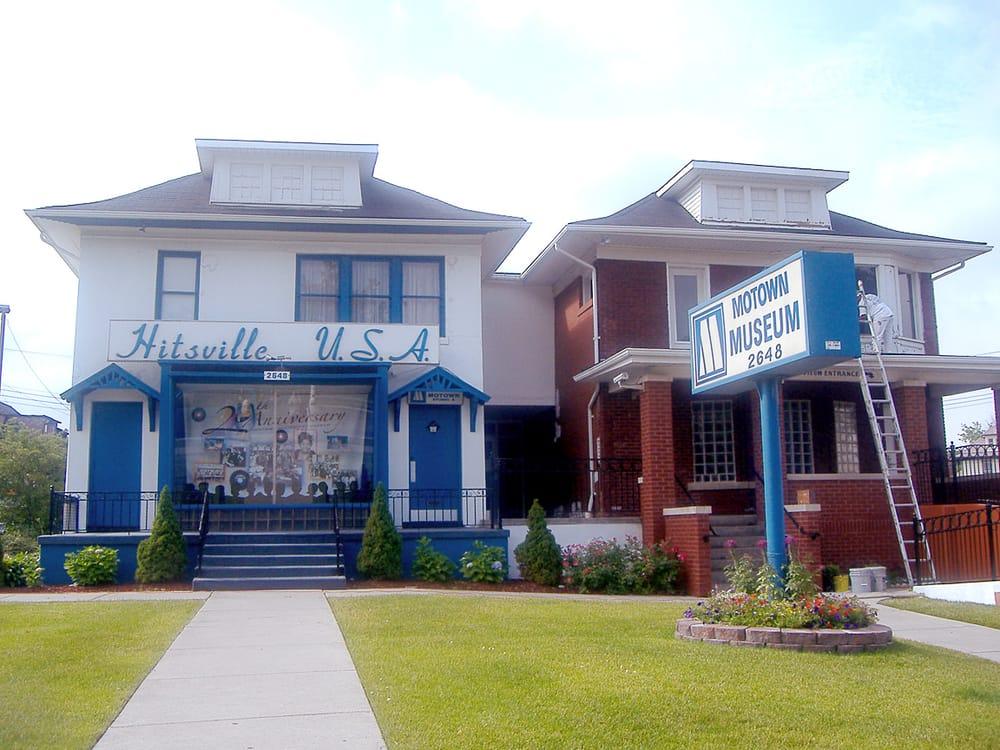 Photo: Blob4000 at English Wikipedia · Public domainWhat’s Going On: Marvin Gaye, the Funk Brothers and a track-by-track credit list4 min read
 Photo: Anefo · CC0Dusty in Memphis: a house band, three producers and one disputed harmonica4 min read