Abbey Road: four Beatles, a guest organist and a Moog
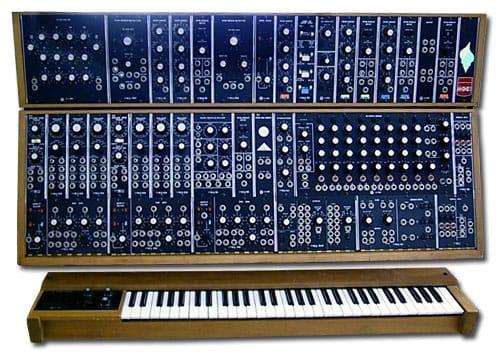
Abbey Road is mostly the four Beatles, but not on every track: John Lennon is absent from some, George Martin plays keyboards, Billy Preston adds organ and a Moog synthesiser appears on several songs.
By SongTrace · Published 18 November 2026 · 4 min read
The record
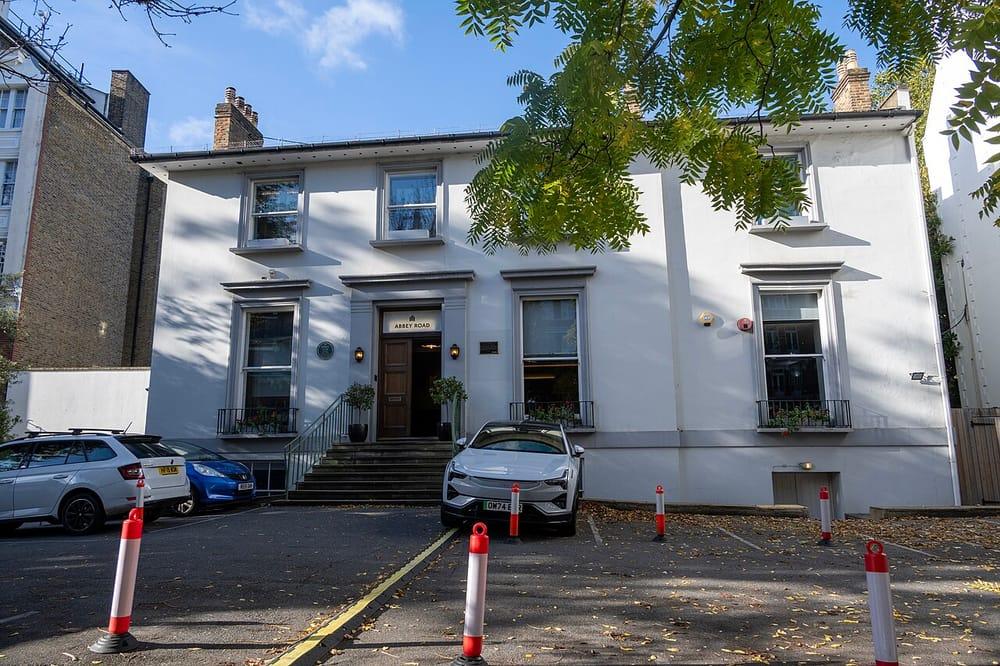
Abbey Road is the Beatles’ eleventh studio album, released on 26 September 1969 on Apple Records. Wikipedia says it was produced by George Martin, and MusicBrainz agrees on the date, the label and Martin as producer.
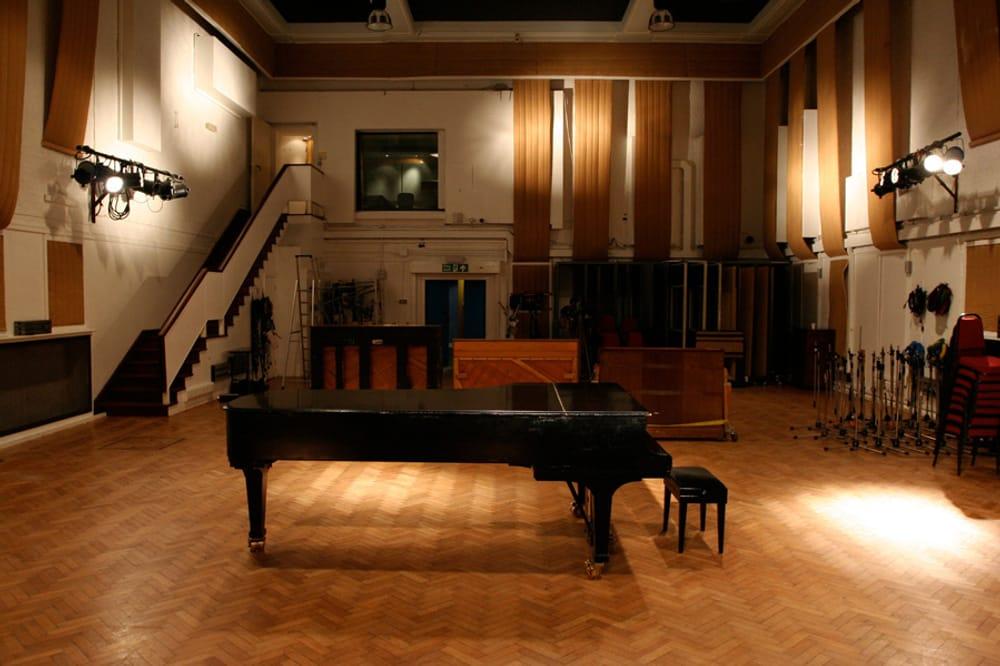
According to Wikipedia, the sessions ran from 22 February to 20 August 1969 at EMI, Olympic and Trident studios in London. The first session, at Trident, produced a backing track for “I Want You (She’s So Heavy)” with Billy Preston on Hammond organ; most of the album was then recorded in April, July and August. Wikipedia adds that it was recorded on eight-track tape, rather than the four-track machines of earlier Beatles albums.
Who played what
Wikipedia’s personnel list, which draws on books by Mark Lewisohn, Ian MacDonald and Barry Miles among others, gives:
- John Lennon: vocals, guitars, pianos, Moog synthesiser, white noise generator and percussion.
- Paul McCartney: vocals, bass and other guitars, pianos, Moog synthesiser and percussion.
- George Harrison: guitars, harmonium, Moog synthesiser and vocals, with lead vocals on “Something”, “Here Comes the Sun” and “Because”.
- Ringo Starr: drums and percussion, an anvil on “Maxwell’s Silver Hammer”, and the lead vocal on “Octopus’s Garden”.
- George Martin: organ, harpsichord and percussion, as well as producer.
- Billy Preston: Hammond organ on “Something” and “I Want You (She’s So Heavy)”.
Geoff Emerick and Phil McDonald are credited as engineers by both Wikipedia and MusicBrainz. Wikipedia also names Alan Parsons as assistant engineer and Mike Vickers for Moog programming.
What changes from track to track
“Here Comes the Sun” is a trio on the basic track: Harrison on acoustic guitar and lead vocal, McCartney on bass, Starr on drums. Wikipedia says Lennon was still recovering from a car accident and did not perform on it. Martin wrote an orchestral arrangement with Harrison, and Harrison overdubbed Moog on 19 August.
“Because” has Martin on harpsichord and Harrison on Moog, and three-part harmonies from Lennon, McCartney and Harrison that were triple-tracked. On “Something” Preston plays organ, and Martin arranged the strings. “Golden Slumbers”, “Carry That Weight” and “The End” also have orchestra conducted by Martin.
In “The End”, Wikipedia says Starr plays his only drum solo in the Beatles’ catalogue, and that McCartney, Harrison and Lennon trade guitar solos in turn. That detail comes from Wikipedia only. “Her Majesty”, the short track after a gap at the end of side two, is credited to McCartney alone, on acoustic guitar and vocal.
What this teaches about reading credits
- A band album can still have a guest. Preston is credited on two songs, and the credit is a single instrument.
- A producer can be a player and an arranger: Martin is listed on keyboards and as orchestra conductor.
- A new instrument can bring a new credit. Three Beatles are credited on the Moog, and Wikipedia adds a programmer, which is easy to miss if you read only the band names.
- Sources can credit different extras. MusicBrainz also lists Chris Thomas and Glyn Johns in producer or engineer roles on some tracks, which Wikipedia’s album list does not show, so check which release a credit belongs to.
Look it up
Search a song from the album, such as Something, and compare the credits with the lists above. For the album that came before, read Sgt. Pepper: who played on the Beatles’ 1967 album and Producer, engineer, arranger: what the credits mean.
Sources
The facts in this story were checked against the pages below (the Wikipedia pages are in English). Credits can differ between sources, so for anything important compare with the original release.