How to find out who played on a song
Credits are scattered across a handful of places, and each has blind spots. A practical order to check them in, and what to watch for.
By SongTrace · Published 8 November 2026 · 5 min read
Start with the original credits
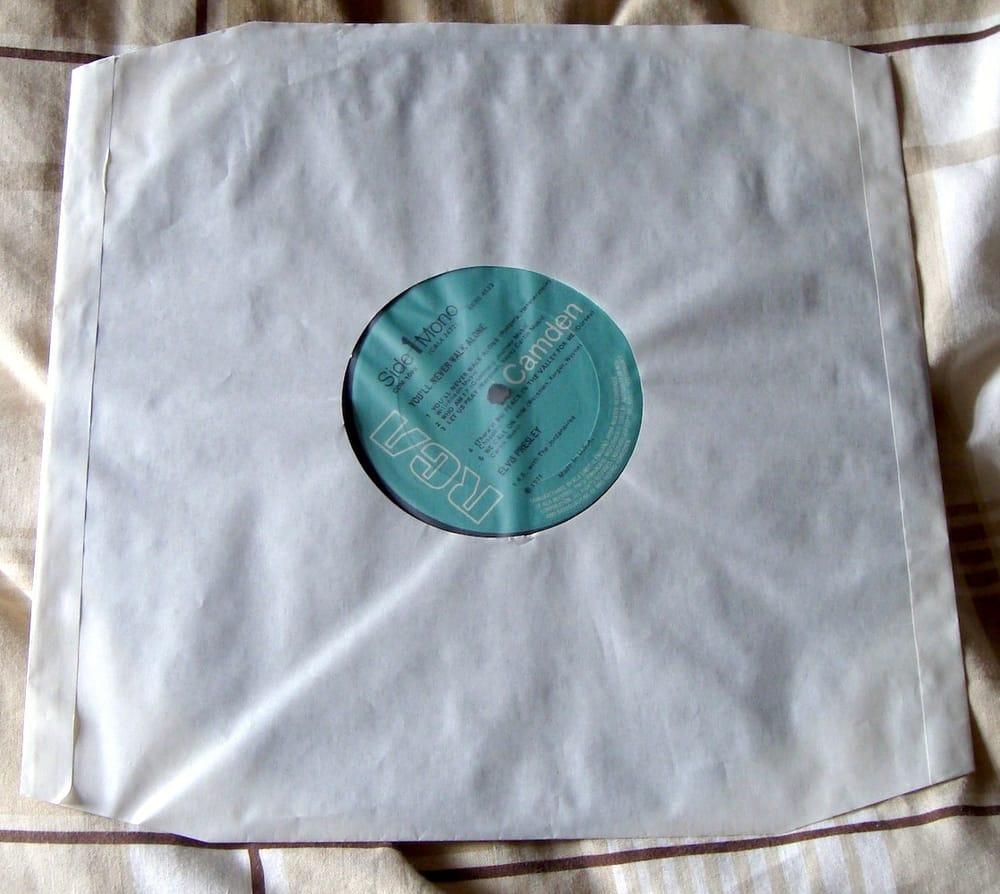
The most reliable source is whatever was printed with the record: the sleeve, the booklet, the liner notes. If you own the record or CD, look there first. Notes often list musicians album-wide, sometimes track by track, and they are the ground truth that databases are built from. The limits are that sleeves can leave out session players, credit nicknames or stage names, and, on reissues, drop information from the original.

Then the databases
- MusicBrainz is an open, community-edited encyclopedia. Its credits are attached to the specific recording, so you can see who played on one version of a song and not on another.
- Discogs is a huge catalogue built from record sleeves. Its credits belong to the release (the album or single), so they can include people who played on other tracks of the same release.
- Wikipedia album articles often have a “Personnel” section sourced from liner notes. They are good for well-known albums, uneven for the rest, and usually describe the album as a whole.
The three complement each other, which is exactly what SongTrace automates: it looks in MusicBrainz first, fills gaps from Discogs, and falls back on Wikipedia’s personnel lists. You can read the details in About.
Streaming apps and video descriptions
Many streaming services now show credits somewhere in a track’s menu. Coverage varies by service and by label: new releases tend to be well documented, older catalogues much less so. A video description on a site like YouTube sometimes lists the musicians too, but it is written by whoever uploaded it and is not verified. SongTrace uses that as a last resort and labels it as unverified.
Pitfalls to watch for
- Album credit versus track credit. A name on an album does not mean they played on every song. Look for track-level detail when it matters.
- The right recording. Live versions, covers and remasters each have their own musicians. Check the year and the release.
- Compilations and reissues. A greatest-hits release may carry the original credits partially or not at all.
- Uncredited players. Especially for the 1960s and 1970s, session musicians were often left off the record. See our article on the invisible bands behind the hits.
- Names. The same person can appear as a nickname, a stage name or with a different spelling, which makes searching harder.
- Agreement between sources. When two independent sources give the same lineup, trust it more; when they disagree, go back to the liner notes.
For examples of how this plays out, read about the two pianists on Kind of Blue or the six drummers on Aja.
If a credit is missing, add it
The databases are only as good as what people contribute. If you own the sleeve and the credits are missing or wrong online, you can add them yourself, for free, on MusicBrainz or Discogs (each needs an account). The change then helps everyone who uses those databases, SongTrace included, which shows it on a later search. When SongTrace finds no credits, or only unverified ones, it links straight to the right editing page.
Ready to try? Search a song and follow the source links under the result to see where each name comes from. The credits guide explains the roles and instruments you will see.
Sources
The facts in this story were checked against the pages below (the Wikipedia pages are in English). Credits can differ between sources, so for anything important compare with the original release.